Saturday, February 10, 2018

Invasive Species 02/10

https://www.youtube.com/watch?v=yIgysZ5Hho8


Summary: This week in class we learned about Invasive Species. An invasive species is an animal that goes into ecosystems from, which it did not originate, and hunt for food. This breaks the ecosystem because the animal has no natural predators and will just eat prey that hasn't adapted to defend from the animal. A lot of invasive species  come over on boats and through human transportation.

SP6: Constructing explanations and designing solutions
This week in class teams of two researched various invasive species an several documents, and found out how people are helping the cause and various other solutions to the invasive species problem. They then compile this information into some way of presenting it, like a video, or some sort of info graphic.

Sunday, February 4, 2018

Symbiosis 02/04/18

https://lkosto.wordpress.com/2017/08/03/symbiosis-scoreboard-finished/


Summary: This week in class we learned about symbiosis. Symbiosis is an interaction between animals that can: Help, Harm, or Do nothing to an animal in the interaction. There are three types of symbiosis: Mutualism, Commensalism, and Parasitism. Mutualism is when two organisms benefit from an inter action, like in the sea where small animals clean out the mouths of larger animals, which gives them food. Commensalism is when one animal benefits and nothing happens to the other, like when Orchids grow on trees, the Orchids are getting sunlight and the trees are unaffected. Lastly, Parasitism is when one animal benefits and the other is harmed, like how leaches and suck your blood, which can lead to death.

SP1: Asking questions and defining problems
This week in class we asked about what the different types of symbiosis do. We asked specifically about how they affected the animals involved and if it helped, harmed, or did nothing to the animal in question. We also asked why do animals need to depend of each other to survive in the world because wouldn't it be better if there was more of the animal rather than it being hunted for food.

Sunday, January 21, 2018

Biotic and Abiotic 01/21

https://socratic.org/questions/is-sunlight-a-biotic-factor-or-an-abiotic-factor


Summary: This week in class we learned about Biotic and Abiotic factors. Biotic and Abiotic factors are both parts of any ecosystem. The Biotic parts of an ecosystem are anything in the ecosystem that is alive, such as grass or birds. The Abiotic parts of and ecosystem are the parts that aren't alive, like: water, or dirt. Both are super important because: If there was no more dirt then plants would die out and everything that ate plants would die out too and everything that ate those animals and so on.

SP1: Asking questions and defining problems
This week in class we asked questions about how Biotic and Abiotic factors affect one
another in the ecosystem. We also asked the question what if one thing disappeared, 
how would that effect the environment. We also defined what different Biotic and Abiotic 
factor there were in a specific ecosystem.

Sunday, January 14, 2018

Energy 01/14

http://www.tech-faq.com/how-is-chemical-energy-used.html


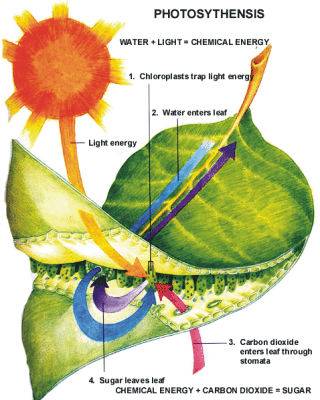
Summary: This week in class we learned about energy. Energy is the thing that powers all organisms. There are many different types of energy, like: Thermal, Light, Electric, and Chemical. The thing about energy is it cannot be created. Though it cannot be created energy can be transformed, like when you plug in and iron, the electric energy goes from the outlet into the iron and then turns the iron hot, making the electric energy thermal energy.

SP2: Developing and using models
This week in class we used online models to show how energy cannot be created but is 
transformed. We also used a model on plants to show why all organisms need energy to 
live and thrive. The model about why plants need energy showed us how plants transform
the energy from light energy to chemical energy, and where the energy is used in cellular
respiration.

Sunday, December 17, 2017

Charity Fair 12/17


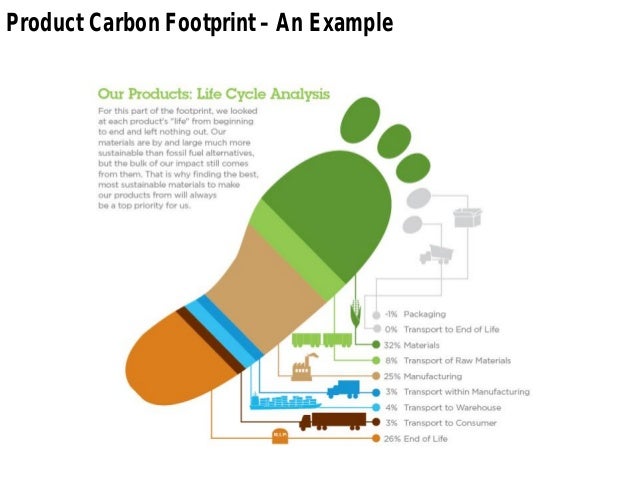
Summary: This week in class we did the Charity Fair. For our Science part of the Charity Fair we did a carbon footprint map.(Pic Above) Carbon Footprint is the carbon emissions left over when something is shipped. The total carbon emissions for our product was 507.6 kg from: train, car, and trucks.

Backward Looking I feel like the charity that I chose for the charity fair tells a story. It resonated with me especially because when I was little I was always bullied. I feel like conveying my story through my charity is one of the best things I could do.

Inward Looking I feel like it was incredibly satisfying to tell my story through the charity I chose. It feels satisfying to finally get closure after all these years of regretting to stand up to bullies. I wanted others to not have to go through the same thing that I had had to go through.

Outward Looking I did not work the way others did, because most others either did a food or handmade project. My partner and I did a digital key chain design and 3-d printed it.We still had to calculate the carbon emissions, and the cost for the materials.

Forward Looking One thing I would like to improve upon is: not relying on my teammate so much. Since my partner had the 3-d printer he designed and printed all of the products. I could only really do the work at school. Next project I will try to carry more weight in the group work field.

Sunday, December 10, 2017

Acids and Bases 12/10/17

https://www.minichemistry.com/ph-scale-indicators.html


Summary: This week in class we learned about acids and Bases. Acids and Bases are measured on the Ph scale, the lower the number the stronger the acid, the higher the number the stronger base, it goes from 0-14 with 7 being the middle and it is neutral. Examples of acids would be: Lemon juice, OJ, Milk, and Stomach acid. Some examples of bases would be: Hand Soap, Shampoo, Bleach, and Drain-O

SP3: Planning and carrying out investigations
This week in class we carried out an investigation by getting a substance making an observation about it then comparing it to other substances. once we figured out what the substance was we chose a substance on the opposite side of the periodic table and we used that substance to neutralize our substance.

Sunday, December 3, 2017

Carbon Footprints 12/03

https://www.slideshare.net/APEXGlobal/carbon-footprint-40907087


Summary: This week in class we learned about carbon footprints. A carbon footprint is the carbon emissions left behind when items are transported from one place to another. Airplanes give 0.8 kg of carbon emissions for every mile they travel, trains give 0.1 kg of carbon emissions for every mile they travel, trucks give 0.17 kg of carbon emissions for every mile they travel, and cars give out 0.41 kg of carbon emissions for every mile they travel.

SP2: Developing and using models
This week in class we developed a map using google map maker. We then used the points on the map to make lines to measure the miles. We then used the mile measurements to determine how much carbon emissions our products for the charity fair produced.