Sunday, May 6, 2018

Hype beast bear 05/03

https://www.amazon.com/Big-Teddy-Bear-30-Tan/dp/B00LG6K4YE

Summary: This week in class we learned about how making and transporting things affects the environment. After a material is extracted it is transported to the factory where the item is made, and depending on, which transportation method is chosen then a different amount of greenhouse gases are released into the air, contributing to climate change. At the factory, usually the making of the product itself doesn't hurt the environment but, factories use coal and other forms of non-clean energy to power, the factory. On the way to the store, we come across the same problems as we did when we transported the items to the factory.

Backward Looking, I knew a bit about how toys are made from natural resources, and how they affect the environment. I knew about this subject because before I went to this school, I did a project on Global Warming and what causes it. During the project itself I learned a lot about the affects of harvesting the natural resources.

Inward Looking, I found it very frustrating that I couldn't be of more help to my team, during the project. Since this project was about creating something I wasn't of much help beyond the documents that we did. I couldn't help more because I am not very good, at making things with my own hands, and since I joined the team late, they already had everything covered.

Outward Looking, we did things that were similar to other groups, like we made a stuffed bear, which other groups did do. What we did differently, was instead of sewing everything onto our stuffed bear, was we glued everything together. Other things that we did differently were, we made the bears body, out of a recycled sock, and we also put clothes on our bear.

Forward Looking, I hope to improve on my arts and crafts skills so I can be of more use to my team int the future. I would like to specifically, focus on my creativity so I can not only help make the idea for the project, but also help make the script for when we present. It will also help me find solutions to dilemmas I find in the real world, when I grow up.

Friday, April 27, 2018

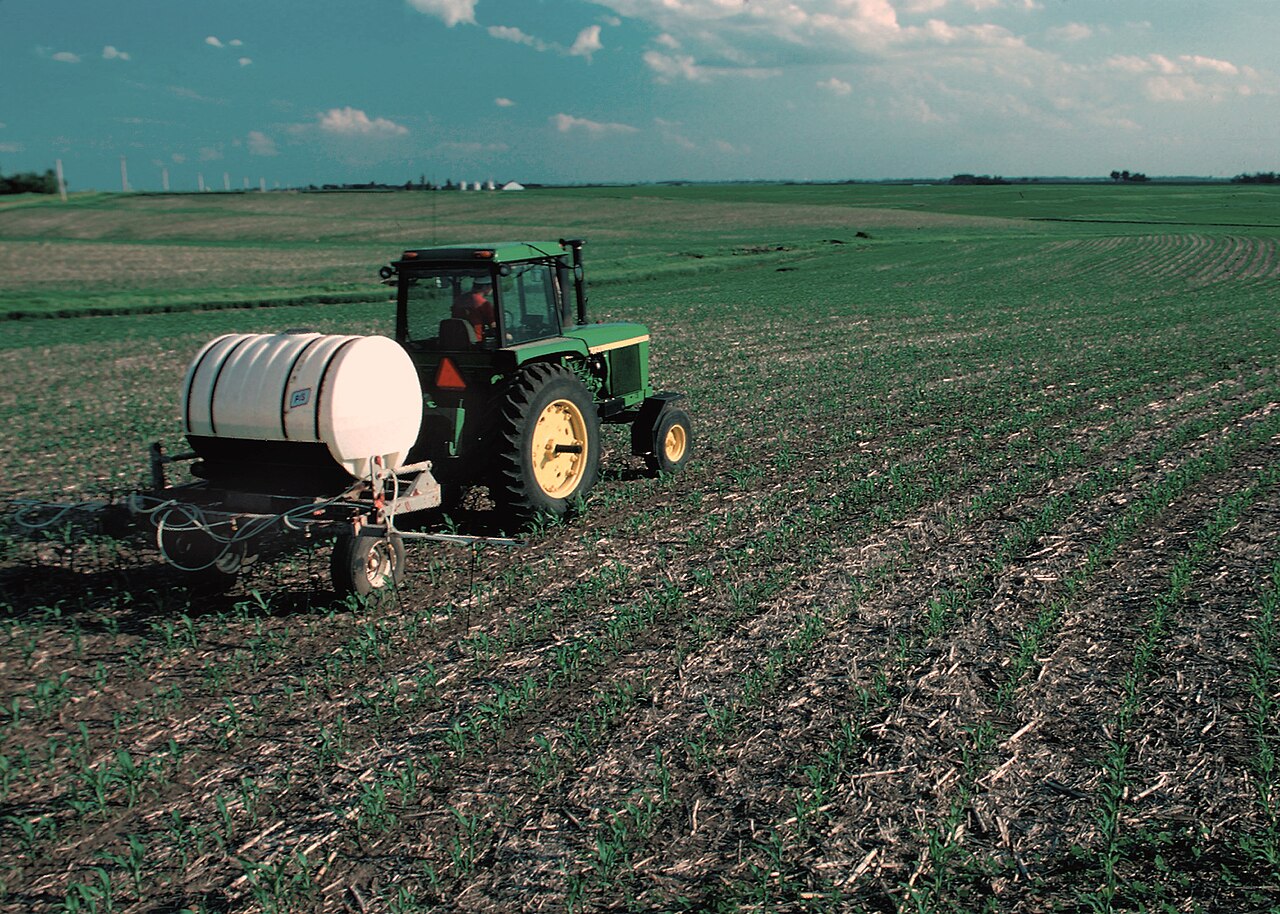
Extraction and Harvesting 04/27

https://commons.wikimedia.org/wiki/File:Fertilizer_applied_to_corn_field.jpg


Summary: This week in class we learned about extraction and harvesting. To extract or harvest is to get natural resources in a quick and manageable fashion. When people extract resources from the land, it destroys the land and all the homes that animals have made there. After resources have been extracted, they are transported to a factory and processes, which adds to carbon emissions.

SP6: Constructing explanations and designing solutions
This week in class we discussed the problem that extracting and harvest natural resources causes. We discussed possible solutions, like: Making the trucks that transport the resources electric, powering the factories using clean energy like solar power. On last solution would be: using old fashioned techniques to extract the materials and using regular factories to process the materials and ship them out.

Sunday, April 22, 2018

Natural Resources 04/22

https://www.tes.com/lessons/XmIMYcGUEgbgRg/natural-resources
Summary: This week in class we learned about natural resources. A natural resource is something that can be found in nature and used in some way shape or form. Most natural resources are finite meaning that there is only a certain amount of them in the world. This is causing problems with natural resources like water, not being in places where people need it; like when California had its drought.

SP1: Asking questions and defining problems
This week in class we asked the question: How are natural resources used, and are the being used efficiently. We defined that while he are using some resources efficiently, we are not using other efficiently. Water for example is becoming rarer and rarer in today's society. We also determined that it would be very hard to change how resources are used, but that it is possible.

Saturday, April 14, 2018

Landforms project 04/14

https://wikitravel.org/en/Mount_Fuji


Summary: This week in class we finished our land forms project. In the project we learned about how the plates in the Mantle affect different things on the top of the crust. The land form my team chose, Mt. Fuji is on top of a convergent boundary, this affected Mt. Fuji by making the volcano got dormant after three eruptions. There are different types of plate tectonics that cause different things to happen.

Backward looking, we had one problem when we were working on the project: my absence. After the project had started I got sick and I couldn't help my team when they were relying on me to help with the project. When I got back though I worked as hard as I could to help my team finish the project on time.

Inward looking, I found it frustrating that one of my teammates kept forgetting the clay that we needed for the model. We used the time in class to work on the proposal done, but the model was still the main part of the project. When they finally brought the clay it was almost time to be done with the project and the model did not come out the way I wanted it to.

Outward looking: if I was in the teachers shoes the comments I would make about the project would be mostly criticism. I would first say that the model doesn't even remotely resemble Mt. Fuji and could be any mountain. I would also say that we need to work on our presentation skills because no one in our team did well in that regard.

Forward looking, I think my team needs to improve upon how much we work, because I found that sometimes our team would stop working and start procrastinating instead of working. I need to improve on my leading skills in particular because when I noticed this happening I didn't stop them some of the times and jut let them do it.

Sunday, March 25, 2018

Land forms 03/25

https://sites.google.com/a/teachers.wlcsd.org/mrs-marylou-clark/u-s-studies/landforms


Summary: This week in class we learned about land formations. A land formation is something that was created due to a change in the land. An example of a land form would be a mountain, which was caused by two plates crashing into each other, and both rising up. Islands are also land forms, as they are made when plates diverge and become underwater volcanoes, which then erupt and cool into a island.

SP2: Developing and using models
This week in class we had begun building models of certain land forms and show how they were created. We will use these models to provide evidence that the how the land on the Earth moves can create these land forms and how the Earth looks very much different from how it did millions of years ago.

Friday, March 16, 2018

Plate Tectonics 03/16

https://www.texasgateway.org/resource/plate-boundaries


Summary: This week in class we learned about the different ways that plates move. There are four different ways that plates move. Subduction, when one plate goes under another, it can result in above ground volcanic activity. Divergent plate movements are when a plate moves away from itself, which causes underground volcanic activity. Transform boundaries are when plate move so that they brush against each other, like their slipping and sliding. Collisional boundaries are when plates crash into each other creating things like mountains.

SP2: Developing and using models
This week in class we used a gizmo online model to see how each of the plates move in different ways. It was hard to see how the transform boundary moved at first but we finally figured it out. We then used our knowledge gained from the Gizmo model to fill out a worksheet that the teacher had made for us. It was really helpful.

Friday, March 9, 2018

Layers of the Earth 03/09

https://commons.wikimedia.org/wiki/File:Earth%27s_Inner_Layers_denoting_the_LAB.png


Summary: This week in class we learned about the layers of the earth. There are 4 layers in the earth: The Crust, The Mantle, The Outer Core, and The Inner Core. The Crust is the thinnest layer of the Earth and the one you are standing on. The Mantle is the thickest layer of the earth and it is made up of semi-solid rocks. The Outer core is the third layer of the Earth and is the only layer made out of liquid. The Inner Core is the inmost part of the Earth and the pressure is so great there that it is a solid ball.

SP2: Developing and using models
This week in class we developed a model of all the layers of the earth. We cut out parts of an image that represents a layer of the Earth. we then glued fact about the layer next to it on a foldable. After that we glued labels on to each layer of the Earth. We will use the model to help us remember about the layers of the Earth when we need to use them.