Thursday, September 22, 2016

Mitochondria 09/22/16

http://www.bbc.com/news/health-32434347

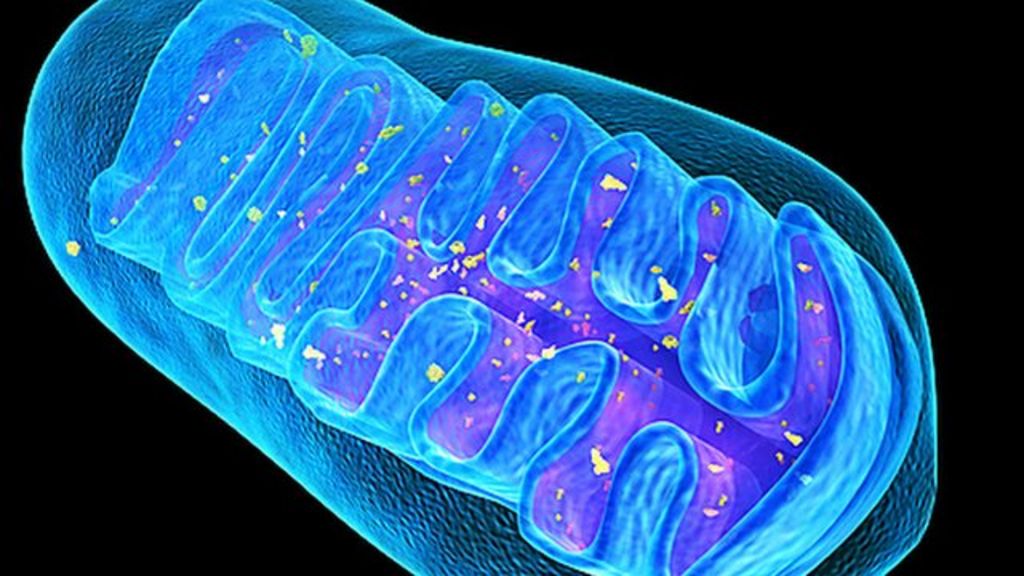
Summary: This week in class I learned about mitochondria. Mitochondria produces energy for the cell. You also get your mitochondria DNA from your mother.  The mitochondria also controls the amount of calcium the cell has. Mitochondrial disease can happen when it fails. Some of the symptoms of mitochondrial disease are nervous system dysfunction and muscle weakness.

SP7: Engaging in argument from evidence:
This week in class we did something called smears. Smears are a friendly and academically correct way of saying why some people are wrong. An example would be "a vote for a vacuole is a vote danons disease", with the cited document of where you found the information next to it. An example of what a smear isn't is: "the vacuole sucks". Everyone in your group has to do two smears to help each groups organelle win the election.

Friday, September 16, 2016

Organelles 09/16/16

https://www.biologycorner.com/APbiology/cellular/notes_cells2.html
Summary: This week in class we learned about organelles. Organelles are like the organs of the cell, they do things like provide energy protect and control the cell. One of the organelles is mitochondria the organelle the provides energy to the cell and controls the cells calcium. Fun Fact: You get your mitochondria DNA from your mother.

SP2: Developing and using models
This week in class we started our cells wars project. One of the things that we had to do in the project was make a poster with a slogan that explains what our organelle does an image of what it is and the name of the organelle. The poster that we made was "Vote Mitochondria the powerhouse that powers you, with our image. That was the model we made in class this week.

Sunday, September 11, 2016

Experiments 09/11/2016

http://www.adweek.com/socialtimes/us-military-involved-controversial-social-experiments/201087
Summary: This week in class we learned about experiments and variables. Experiments are test used to support or turn down problems. There are three types of variables 1. Responding what your trying to measure like how many paper clips can a magnet hold up, the responding variable would be the amount of paper clips 2. A controlled variable this is purposely made to stay the same in the other example the controlled variable would be the type of paper clip. 3. The manipulated variable is purposely changed in order to support you question in the example from 1. the magnet would be the manipulated variable.

SP3: Planning and carrying out investigations
This week in class we planned out the experiment that we had to do. My experiment was how far can different magnets attract each other. My results supported my hypothesis that the bigger magnets will attract further away.

Friday, September 2, 2016

Scientific Method 09/2/2016

https://commons.wikimedia.org/wiki/File:The_Scientific_Method_as_an_Ongoing_Process.svg


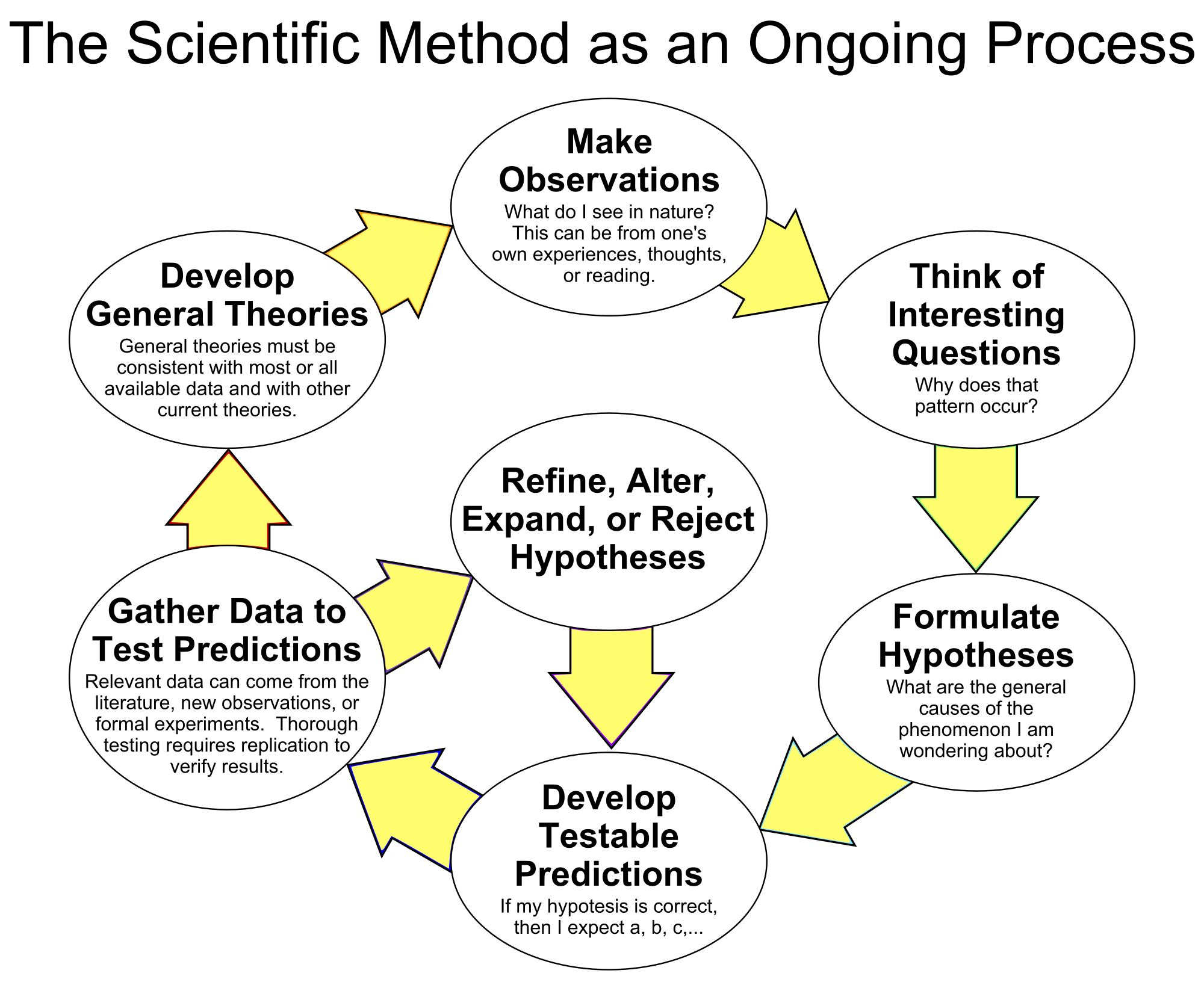
Summary:This week we learned all about the scientific method which consist of  making an observation, forming a hypothesis, conducting an expiriment, gathering data, and finally sharing your results! We learned that it is important to share with others because is you find the cure for cancer and you keep it to yourself then cancer will be just as bad as before. We also learned that there is no fixed way on doing the method except how you want to do it.

SP4: Analyzing and interpreting data
This week we anlyzied data by looking of what we had infront of us and what we thought was true to us in the worksheet they had us do that by writing the scientific method in a circle and we could write it. We interpreted the data through the question on the back for what we thought everything ment and what it did mean.

Sunday, May 22, 2016

Servings 05/22/16

http://www.choosemyplate.gov/

Summary: This week in class we learned about serving sizes and calories. A calorie is energy and 1 calorie is enough energy to heat something up 1 degrees Celsius. Serving sizes are about the about of food someones should eat to help control calories. My Plate is the new way of serving sizes where it shows how much of your plate should each of the food groups be in Fruits: 20% Protein 20% Dairy: 20% Grains: 30% Vegetables: 30%.


 SP2: Developing and using models:
In class we developed a model by taking a food pyramid and placing how many servings of each of each food group we eat. We used the model by taking the information and applying that to our diet to keep us healthy!

Saturday, May 14, 2016

Food Systems 5/14

http://www.physicalactivitynetwork.ca/food-system
Summary: This week in class we learned about food systems. A food system is the process of how food gets for being on the tree into our mouth. But in every step of a food system food is being wasted and we need to stop that. FUN FACT 259 Million chocolate bars are wasted every year!


SP2: Developing and using models:
In class we developed a model by getting paper writing three lines on the paper and the drawing a picture after that writing the description and why food is wasted then we colored it in. We used the models to see why food was being wasted in each segment of the system and how we can stop that!

Sunday, May 8, 2016

Trash to Treasure 05/08

http://www.ci.white-bear-township.mn.us/index.asp?Type=B_BASIC&SEC=%7B0AB97692-2975-4AC4-ABC3-E6A9F48DEE0D%7D&DE=%7B611BCB19-A2BB-4BBE-B588-48A1AD466D5F%7D
Summary: This week in class we learned about recycling. It is important to recycle because all the things we throw away go to the landfill. Recycling is where you take trash and turn it into treasure. Throwing things away can cause the ozone layer to break down by greenhouse gases like methane or they can harm animals by making them sick or strangling them and more!


Backward looking:  I feel like I have gotten better at this kind of work because before I started this I wasn't big on building things. After this project I feel like I have improved a great deal because now I have experience in using math with figuring out the size and most importantly knowing how much work has to go into the project. 

Inward looking: What I found frustrating about this project is that just about half way through the project my duct tape stopped working and would stick together. So I had to wait for help from a friend and I ended up using some packing tape. 

Outward looking: One people I would like everyone to notice about my project is how much work I put into it.  It not just about the project, it is about the environment and the entire world.  Without recycling there would be way more waste and it would have a deeper effect on the ozone and people would have to wear sunglasses all the time. 

Forward looking:  I would definitely like to improve upon my skills with working and building things like bird houses.  When I grow up I would like to build my own house and also help others with building.  It would be cool to have a connection with kids in the future, because they would building at a young age and I would be building too, just in a different way.