Sunday, December 10, 2017

Acids and Bases 12/10/17

https://www.minichemistry.com/ph-scale-indicators.html


Summary: This week in class we learned about acids and Bases. Acids and Bases are measured on the Ph scale, the lower the number the stronger the acid, the higher the number the stronger base, it goes from 0-14 with 7 being the middle and it is neutral. Examples of acids would be: Lemon juice, OJ, Milk, and Stomach acid. Some examples of bases would be: Hand Soap, Shampoo, Bleach, and Drain-O

SP3: Planning and carrying out investigations
This week in class we carried out an investigation by getting a substance making an observation about it then comparing it to other substances. once we figured out what the substance was we chose a substance on the opposite side of the periodic table and we used that substance to neutralize our substance.

Sunday, December 3, 2017

Carbon Footprints 12/03

https://www.slideshare.net/APEXGlobal/carbon-footprint-40907087


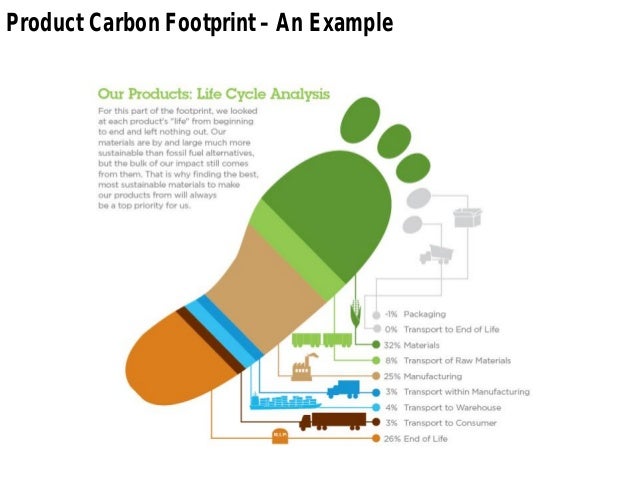
Summary: This week in class we learned about carbon footprints. A carbon footprint is the carbon emissions left behind when items are transported from one place to another. Airplanes give 0.8 kg of carbon emissions for every mile they travel, trains give 0.1 kg of carbon emissions for every mile they travel, trucks give 0.17 kg of carbon emissions for every mile they travel, and cars give out 0.41 kg of carbon emissions for every mile they travel.

SP2: Developing and using models
This week in class we developed a map using google map maker. We then used the points on the map to make lines to measure the miles. We then used the mile measurements to determine how much carbon emissions our products for the charity fair produced.

Sunday, November 12, 2017

Types of Chemical Reactions 11/12

http://saxonylutheranlovechemistry.wikispaces.com/Chemical+Reactions


Summary: This week in class we learned about the different types of chemical reactions. The four basic chemical reactions that can occur are: Synthesis reaction. Decomposition reaction, Single-Displacement reaction, and Double-Displacement reaction. A Synthesis reaction is a chemical reaction where two reactants make a product. A Decomposition reaction happens when a single reactant makes two products each apart of the first reactant.  A Single-Displacement reaction is when one chemical in a formula switches with another element in the product. A Double-Displacement reaction is when 4 elements switch (2 Non-Metals and 2 Metals) for the product.

SP5: Using mathematics and computational thinking
This week in class we used  math calculations to balance equations then figure out what type of chemical reaction was going on. Some math-related things that we had to pay attention to were: How many of each element were in the equation, Where was each element in the equation, How did each element move from reactant to product.

Sunday, November 5, 2017

Balancing Equations 11/05

http://slideplayer.com/slide/9303062/


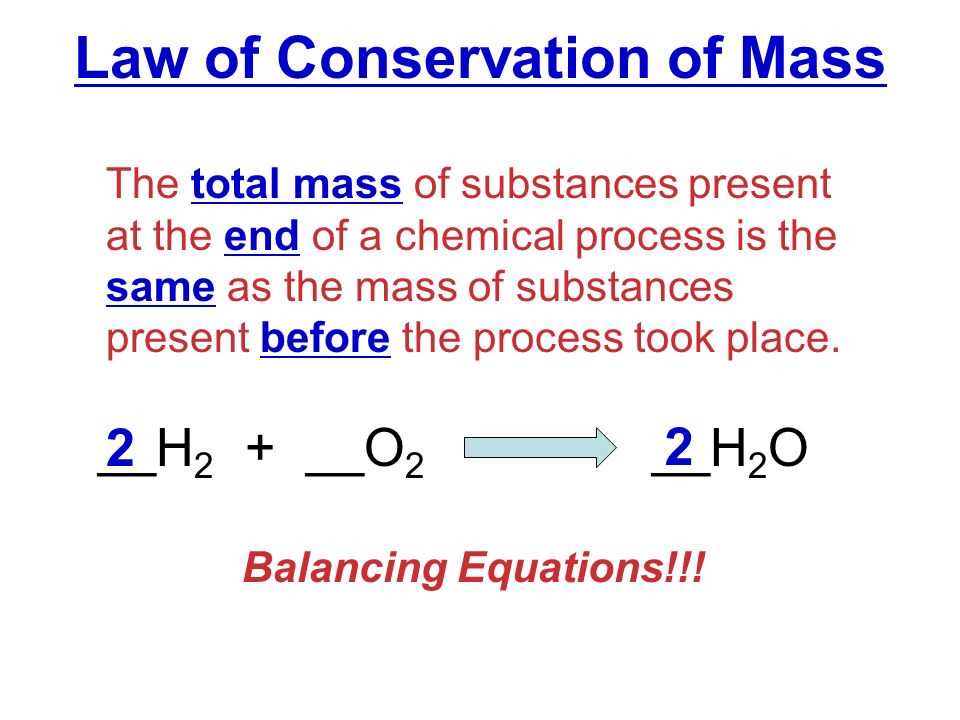
Summary: This week in class we learned about balancing equations. When you balance equations in chemistry, you have to remember the Law of Conservation of Mass. The  Law of Conservation of mass is a law that states when balancing equations no matter is created or destroyed. That means you cannot add any more elements or subscripts. You have to make all the atoms on each side of the equation equal by just using coefficients.

SP5: Using mathematics and computational thinking
This week in class we used mathematical thinking by: taking chemical equations and adding coefficients to them to make each side equal. Coefficients and non-subscript numbers that you put in a chemical equation to multiply certain: elements, compounds, and molecules. If there is a subscript after an atom then the coefficient multiplies by that number instead of multiplying itself be one if there is no subscript next to the element.

Sunday, October 29, 2017

Ionic bonding 10/29

http://chyscience.blogspot.com/2012_08_01_archive.html


Summary: This week in class we learned about ionic bonding. Ionic bonding happens when two atoms (metal and non-metal) share an electrons. The atom with the most valence electrons which are the electrons on the outer most shell of the atom, receives an electron from the atom with lesser amount of valence electrons. Then the atoms attract because the atom that got the electron is now a negative ion and the atom that gave the electron is now a positive ion, and then the atoms  bond together to make an ionic bond.

SP2: Developing and using models
This week in class we used model atoms with clay on them to represent electrons. We then were given a sheet of paper with 5 bonds we had to do. We then had to determine whether the bond was ionic or covalent. If the bond was ionic we would give the atom that had more valence electrons an electron from the other atom. If it was a covalent bond then we put the atoms on top of each other.

Friday, October 20, 2017

Covalent bonding 10/20

https://commons.wikimedia.org/wiki/File:Covalent_bond_hydrogen.svg


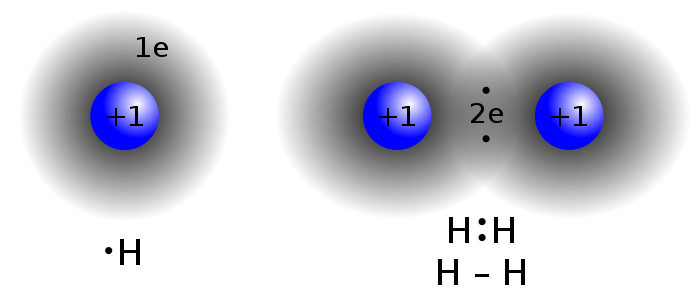
Summary: This week in class we learned about covalent bonding. A covalent bond is formed when two atoms want to take each others electrons. When an the atoms want to take an electron they get closer to the electron. When they get closer to the electron then it begins a loop where the atoms try to get closer to each others electrons bet cannot. YOu cannot have H3O because the amount of inner electrons cannot go over two and the outer electrons do no have strong enough bond to the nucleus for covalent bonds to form.

SP4: Analyzing and interpreting data
This week in class we analyzed data by getting a document with links on it and then reading what each website had to say very carefully. We also analyzed an image that showed us how electrons work in covalent bonding. We interpreted the data in a document that we were given we answered the questions on the document based off of our research

Sunday, October 1, 2017

Periodic Table 10/1

https://www.ptable.com/
Summary: This week in class we learned about the Periodic Table of Elements. The Periodic Table is how we organize the atom elements based on the increasing atomic number aka the number of protons. The other way the table is sorted is atomic families that take on similar atomic properties like reactivity of the atom. Other information the Periodic Table of Elements gives is the atomic mass (protons + neutrons) and the atomic charge (Protons - electrons depending which has more).

SP5: Using mathematics and computational thinking
This week in class we used mathematics to calculate various things for the periodic table. The first thing we used math calculate was the charge of an element by finding what amount of protons or electrons were higher then subtracting them to find the positive (more protons) or negative (more electrons). We then used math to calculate the atomic mass of an atom by adding the protons and the neutrons